
Weight Training for More Effective Weight Loss
One of the most common reasons people join a gym is because they want to lose weight. And when most people think about weight loss, they immediately think of cardio. So they hop on the treadmill, do 30 minutes, and then head home.
And that’s totally fine! If you’re brand new to the gym, the most important thing is building a routine you can stick to consistently. If walking on the treadmill feels comfortable and keeps you coming back, that’s a great place to start.
But if your goal is weight loss, cardio on its own usually isn’t the fastest or most effective approach. The best long-term results typically come from combining cardio, strength training, and good nutrition.
There is no single exercise that suddenly makes everything work, and consistency will usually matter far more than trying to find the hardest workout possible.
Nutrition, sleep, daily movement and strength work all have a role, while some people may also need more support when progress has stalled despite making those changes. That is where treatments involving GLP-1 medications can enter the conversation, with Coby Health offering a weight management approach that incorporates these medications for people who may be appropriate candidates.
They are not a substitute for building healthier habits, but they can be considered alongside the changes someone is already making.
The important thing is finding an approach that feels manageable enough to keep doing, rather than going all-in for a few weeks and then giving up when it becomes too much.
Here’s what we’ll cover:
→ Why weight training matters for weight loss
→ The difference between weight loss and fat loss
→ A simple weekly workout plan to get you started
→ Why you shouldn’t be scared of getting bulky
→ Tips if you’re nervous to start lifting weights
→ Why nutrition still matters
Why Weight Training Matters
Many people assume strength training is only for people who want to build big muscles. But there’s so much more to it than that.
While cardio does generally burn more calories during the workout itself, strength training is going to help you burn calories both during your workout, and after the workout is over! Muscle requires energy to maintain, repair, and rebuild, which means the more lean muscle you have, the more calories your body burns throughout the day, even while you’re resting.
Weight training also helps preserve and build lean muscle while you’re losing fat. Cardio alone, especially when paired with aggressive dieting, can lead to muscle loss alongside fat loss.
Think of it this way:
Cardio burns more calories during today’s workout.
Strength training helps to increase your metabolism and keeps you stronger and healthier long term.
That’s one of the reasons people who include resistance training in their routine often see better long-term body composition results.
That doesn’t mean cardio isn’t important. It has huge benefits for heart health, endurance, and overall fitness. But if fat loss is your main goal, strength training should be a regular part of your routine.
Weight Loss vs. Fat Loss
Weight isn’t a bad thing! There’s a big difference between losing 10 pounds of body weight and losing 10 pounds of body fat.
If you lose 10 pounds, some of that weight could come from muscle. But if you lose 10 pounds of fat while gaining or maintaining muscle, the number on the scale may not change much, even though you’ll likely notice a big difference in how you look and feel.
That’s why we encourage people not to obsess over the scale. Because it doesn’t tell the whole story.
Instead, pay attention to things like:
→ How your clothes fit
→ Progress photos
→ Body measurements
→ Energy levels
→ Improvements in strength and performance
A Simple Weekly Plan for Beginners
If you’re not sure where to start, here’s a simple weekly plan that combines strength training and cardio:
Monday: Full-body strength workout
Tuesday: 20 to 30-minute walk or cardio session
Wednesday: Full-body strength workout
Thursday: Walk, mobility work, or rest
Friday: Full-body strength workout
Saturday: Cardio, a hike, bike ride, fitness class, or any activity you enjoy
Sunday: Rest
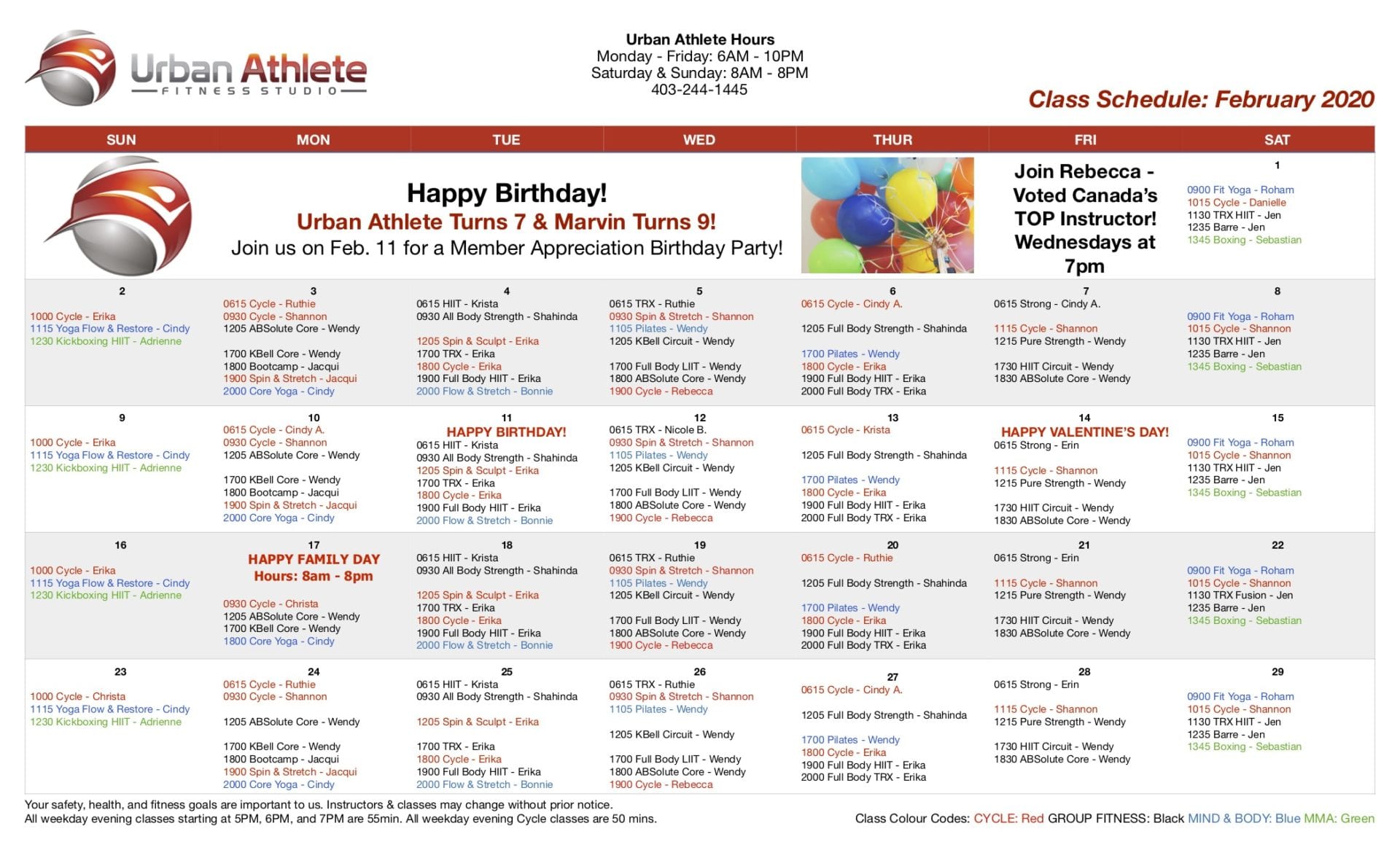
Aim for two to three strength workouts each week, along with regular movement on the other days.
A Beginner-Friendly Strength Workout
Try 2-3 sets of 8-12 repetitions for each exercise:
- Goblet Squats
- Dumbbell Romanian Deadlifts
- Seated Row
- Chest Press
- Dumbbell Shoulder Press
Choose a weight that feels challenging while still allowing you to maintain good form.
If you’re unsure where to start, go a little lighter than you think you need. You can always increase the weight later.
“I Don’t Want to Get Bulky”
This is one of the most common concerns we hear, especially from women.
The truth is, building significant muscle takes years of consistent training, proper nutrition, and intentional effort, especially for women.
I know because I’ve been there. I spent years lifting weights four to five days a week with the goal of building muscle, and I can confidently tell you that getting noticeably “bulky” takes a lot of work. It’s not something that happens by accident.
For most people, strength training leads to a stronger, leaner, more defined appearance, not excessive muscle size.
And even if you ever reached a point where you felt that you had built enough muscle, you can always dial it back. Muscle doesn’t appear overnight, and it won’t continue growing without continued effort.
If You’re Nervous About Weight Training
Starting something new can feel intimidating. Starting somewhere new, around people you don’t know, can feel even more intimidating. But you’re not alone!
Many people in the gym are feeling exactly the same way you are. And the people who aren’t? They’re focused on their own workout, not judging yours. Every single person in the gym started somewhere.
If you’re unsure about exercises, equipment, or proper form, here are a few ways to build confidence:
→ Watch exercise tutorials before you come to the gym
→ Practice movement patterns at home
→ Follow beginner workout videos
→ Train with a friend
→ Work with a personal trainer
If your biggest barrier is simply not knowing where to start, working with a trainer can be a great way to learn proper technique and feel more comfortable in the gym. Even just a few sessions can make the gym feel much less intimidating.
There’s absolutely no pressure to work with a trainer here, but if you’d like some extra guidance, we offer a PT Intro Package that includes three one-hour personal training sessions for $189 (just $63 per session!)
We also offer free consultations, so you can chat with one of our trainers, ask questions, and see if it’s the right fit without any obligation to make a purchase.
Don’t Forget About Nutrition
No discussion about weight loss would be complete without mentioning nutrition!
Exercise is incredibly important, but it works best alongside healthy eating habits. Unfortunately, you can’t out-train a diet that consistently puts you in a calorie surplus.
If your goal is fat loss, focus on:
→ Eating plenty of protein
→ Including fruits and vegetables regularly
→ Being mindful of portion sizes
→ Staying hydrated and well rested
TL;DR
If your goal is weight loss, don’t skip strength training.
Cardio is great and absolutely deserves a place in your routine. But strength training helps preserve muscle, improves body composition, increase calorie burn over time, and supports long-term health.
The most effective approach is combining strength training, cardio, and good nutrition in a way you can stick with consistently.
Start where you can, keep it simple, and focus on building habits that you can maintain for the long run!
Resources:
https://www.healthline.com/nutrition/cardio-vs-weights-for-weight-loss
https://www.precisionnutrition.com/rr-cardio-vs-weights